 LEGENDS
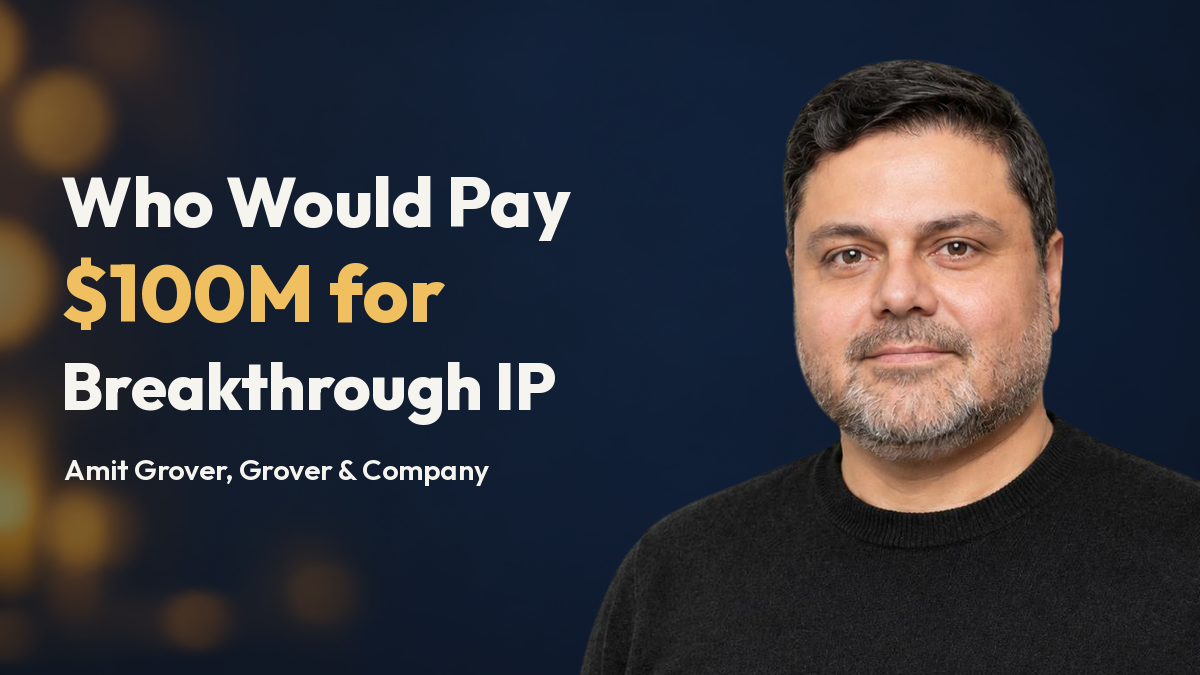
After closing his Alternative Protein Fund, Amit Grover went back to a problem he knew well: how to get a new technology into the hands of a company that can use it.
Amit Grover had spent years in Consumer-Packaged Goods brand marketing before he started backing Alternative Protein ventures. He knew how brands were built and how retailers worked. Even so, the companies he backed struggled to attract customers as more brands cluttered the category. Getting onto supermarket shelves was expensive, and the sales he’d counted on didn’t follow.
In less than two years, Grover liquidated the fund and wrote off a significant part of his own investment. In his Legends interview, he explained the decision plainly: he had already lost a substantial amount, and he didn’t want to risk what was left by assuming the market would turn.
Who already has a way to reach the customer?
Grover had run into an earlier version of that problem in New Zealand. After an MBA in Wellington, he started Grover & Company from a café in 2008. He wanted to help small businesses find export markets. Many had developed something useful but didn’t have the capital to sell it abroad. He began looking for companies in larger markets that could licence their technology and bring it to customers.
The Alternative Protein fund brought him back to that idea. A young brand might have a good product and still need to pay for manufacturing, distribution and customer acquisition. An established company may already have all three. If that company can put the invention to work, the investment can go into developing the technology itself.
Why look for a buyer before the research turns into IP?
Grover set up an investment arm and described partnering with universities in crop genetics. One example from the interview was innovation into crops that can grow with less water. There’s an obvious reason to want such a crop. For an investor, the more useful question is which company could use it and what the researchers would have to showcase as an IP before that company would pay.
Grover looks at what the university specialises in and what the scientists have published on similar work. Then he maps potential buyers. He calls this demand-based investing.
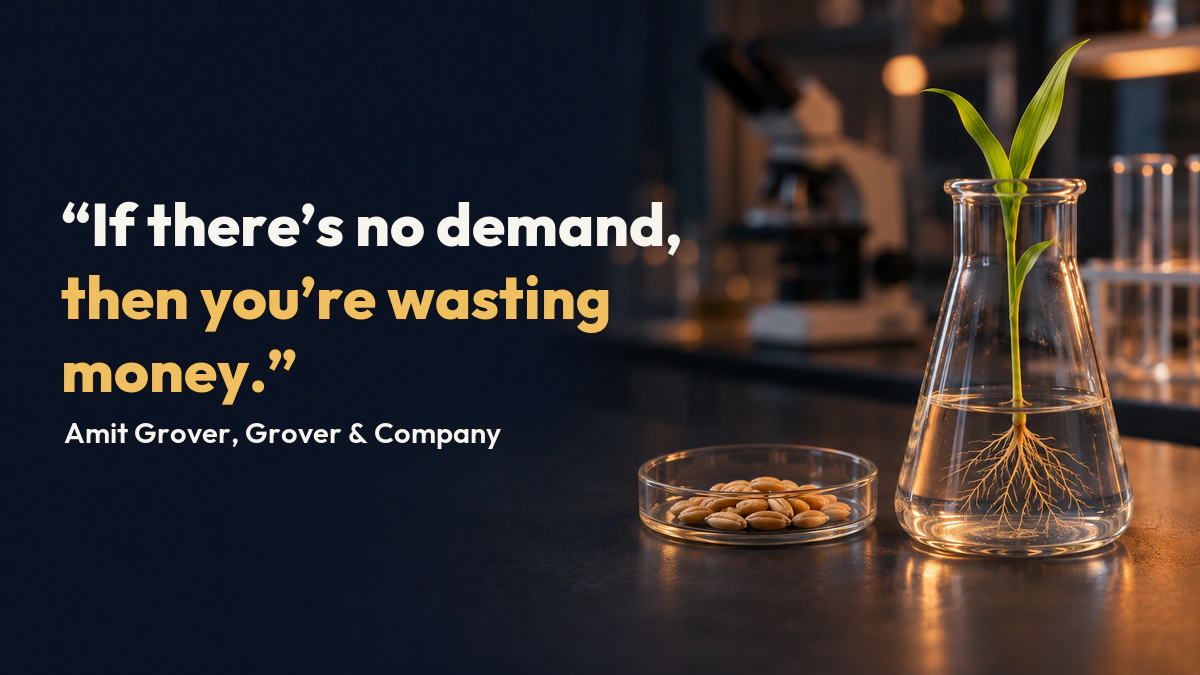
“If there’s no demand, then you’re wasting money, resources and time.”
He also explained how the funding can be shared. A university might provide an initial grant. A commercial partner might help pay to test and validate the technology. Grover can contribute capital and help take the result to market as an IP. The parties can share ownership of what comes out of the research, depending on what each contributes.
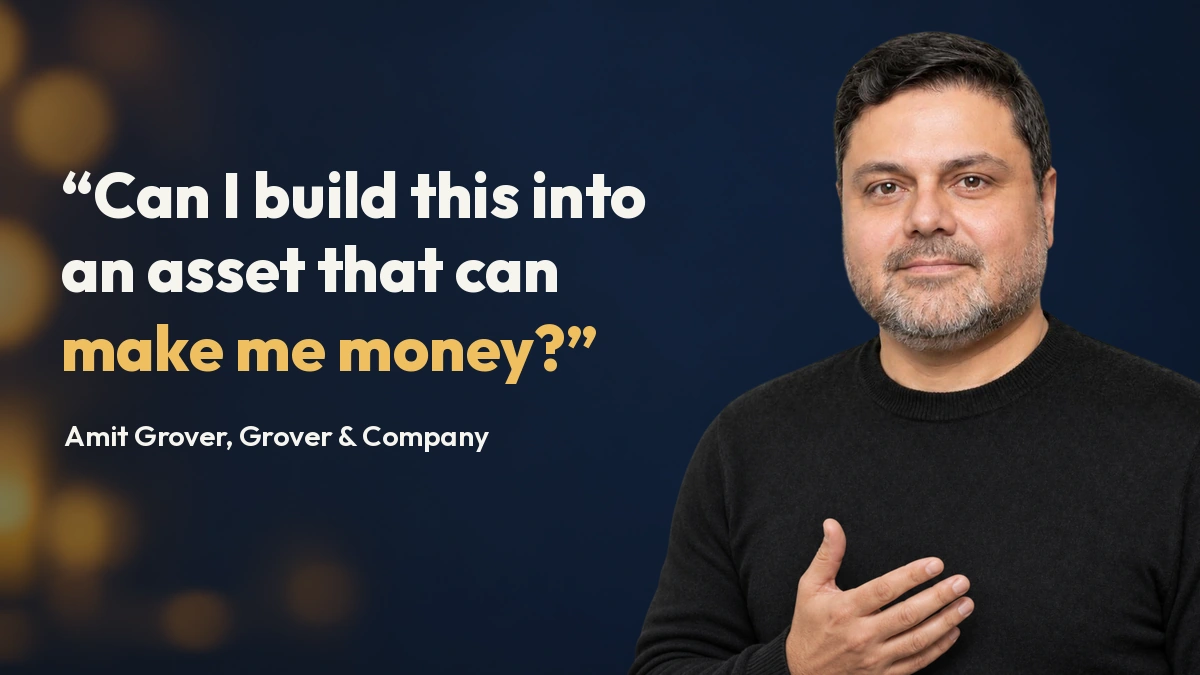
What would make a company pay $100M for IP?
Grover used $100M as an example of what the rights to a technology (IP) might sell for. He also described how a buyer could decide whether those rights were worth acquiring.
The company takes a licence for a year or two and tests the technology in its own operations and value chain. Both sides agree on a valuation before the trial. If the technology (IP) delivers, the company can choose to buy the rights on those terms.
That gives the buyer time to see whether the technology (IP) solves its problem in practice. For Grover, it also clarifies what to look for years earlier, when the innovation is still a proposal or rather an idea: a team capable of doing the work, a company that could use the result, and a way for that company to test and validate it.